



As data centres’ energy consumption skyrockets with the advance of AI technologies, the potential energy deficits looming can be tackled by embracing nuclear power. With insights from Jay Jiang Yu of Nano Nuclear Energy Inc., the viability of microreactors and the benefits of nuclear energy in meeting the escalating energy needs of AI-driven technologies are underscored.
AI and Energy Consumption: The Role of Nuclear Power
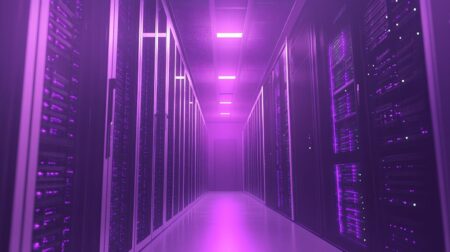
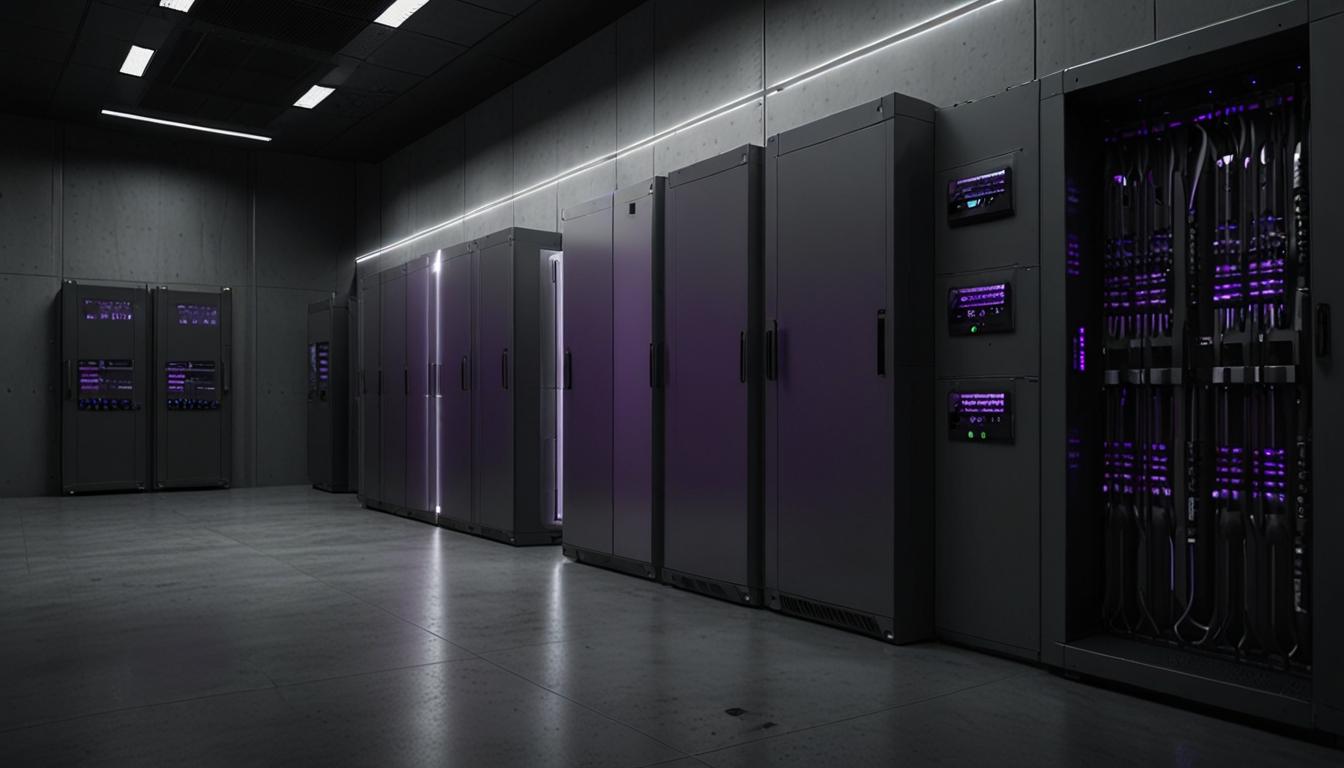
As advancements in artificial intelligence (AI) and machine learning continue to drive new technologies, the energy demands of data centers have surged. According to the International Energy Agency, electricity consumption from data centers, which was approximately 460 TWh in 2022, could double to 1,000 TWh by 2026. This figure equates to Japan’s entire electrical energy consumption.
Jay Jiang Yu, Founder and Executive Chairman of Nano Nuclear Energy Inc., discusses the potential energy infrastructure deficits and the role of nuclear power in addressing these challenges. He suggests that the tipping point, where current infrastructure fails to meet demand, might already be upon us. Energy deficits are predicted to impact tech centers by 2026-2027, with no new energy systems likely to come online by then.
Countries with a history of nuclear energy are better positioned to handle this increased demand due to established regulatory and licensing bodies. In regions like Indonesia, the Philippines, and Thailand, traditional renewable energy sources are less feasible, making nuclear energy a viable alternative.
Yu argues that a complete transition to 100% renewables is impractical, but increasing the use of non-carbon-emitting energies is feasible. He highlights France’s success with 80% nuclear energy, which has provided significant energy sovereignty.
Addressing concerns about the cost and time to develop small modular reactors, Yu points out that microreactors, which are smaller, use fewer components, and can be mass-manufactured, offer a more economical and rapid deployment. These reactors have been successfully operating in U.S. universities for decades.
Regarding public apprehension towards nuclear power, Yu emphasizes the need for education to dispel misconceptions. He stresses that nuclear power has the lowest death rates per GWh and generates minimal waste compared to other energy sources. Safety records indicate that reactors cannot explode and possess built-in safeguards.
In conclusion, nuclear energy, particularly through the deployment of microreactors, is posited as a critical solution to meet the rising energy needs of AI-driven technologies, ensuring sustainable and reliable power.