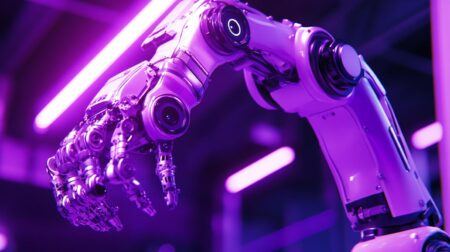



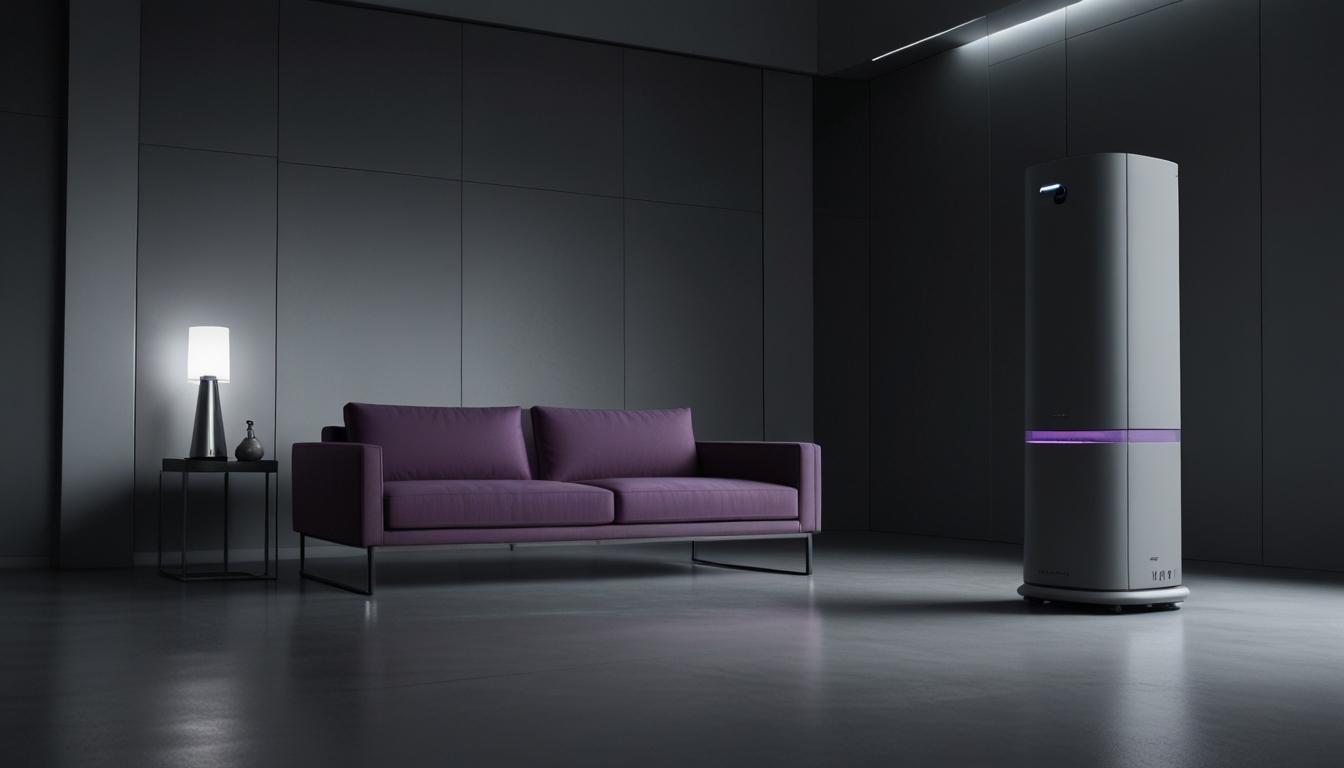

The global market for environmental disinfection robots is expected to expand significantly, driven by evolving cleaning protocols and the adoption of Robotics as a Service (RaaS) models. Advanced disinfection methods and AI integration are enhancing the capabilities of these robots. However, challenges such as competition from alternative products and operational complexities need to be addressed for sustained growth.
Environmental Disinfection Robots Market to See Significant Growth
The global market for environmental disinfection robots is projected to expand by USD 1.11 billion between 2024 and 2028, achieving a compound annual growth rate (CAGR) of 41.48%, according to recent analysis from Technavio. This growth is expected to be driven largely by evolving cleaning protocols aimed at reducing healthcare-associated infections (HAIs).
Market Segmentation and Trends
The market can be segmented by the technology used—UV-C and hydrogen peroxide vapour (HPV)—and by type, classified into autonomous mobile robots and automated guided robots. Geographically, the market encompasses North America, Europe, Asia-Pacific (APAC), the Middle East and Africa, and South America.
One of the pivotal factors driving market growth is the increasing adoption of Robotics as a Service (RaaS) models. This arrangement allows customers to lease robots on a monthly or hourly basis, thereby mitigating the high initial costs of robotic investments. Vendors are also offering refurbished robots and maintenance services, making these technologies more accessible to budget-conscious consumers. Additionally, cloud computing facilitates real-time remote monitoring, thereby enhancing the efficiency and appeal of RaaS.
Adoption Across Sectors
The demand for automated disinfection systems is rising across diverse sectors such as healthcare, hospitality, and industrial environments. These robots employ advanced disinfection methods including the use of chemicals, ultraviolet light, and automated application technologies to effectively sanitize spaces. These automated solutions offer the advantage of consistency and efficiency, which are crucial for maintaining high standards of cleanliness and safety.
Artificial intelligence (AI) and machine learning are further enhancing the capabilities of these disinfection robots, enabling more effective and autonomous operation.
Challenges to Market Growth
Despite the promising growth outlook, the market also faces significant challenges. Competing technologies, particularly standalone UV devices, pose a strong alternative. These alternatives are often equipped with advanced features such as data analytics, short cycle times, and user-friendliness. Notable products include Nevoas Nimbus, which utilises atomised hypochlorous acid and advanced 3D modelling, and Indigo-Clean, known for its continuous environmental disinfection technology.
Operational difficulties are also a concern. Ensuring the effective application of disinfection technologies such as UV-C light and chemical mists necessitates precise navigation and adaptation to varied environments and surfaces. Further, the integration of sensors and AI for object recognition and avoidance adds layers of complexity.
Cost-efficiency and energy management remain critical considerations. Regulatory requirements and safety standards must be strictly adhered to, and comprehensive training and regular maintenance are necessary to maintain optimal performance. For larger projects, robots need the ability to work collaboratively in teams or integrate seamlessly with other systems.
Conclusion
The environmental disinfection robot market is poised for substantial growth driven by advancements in technology, innovative deployment models, and increasing demand for efficient disinfection solutions across various sectors. However, significant challenges, including competition from alternative products and operational complexities, must be addressed. Future market dynamics will likely be shaped by technological advancements and evolving regulatory landscapes.
This market overview was based on data and insights provided by Technavio, a global technology research and advisory company.