





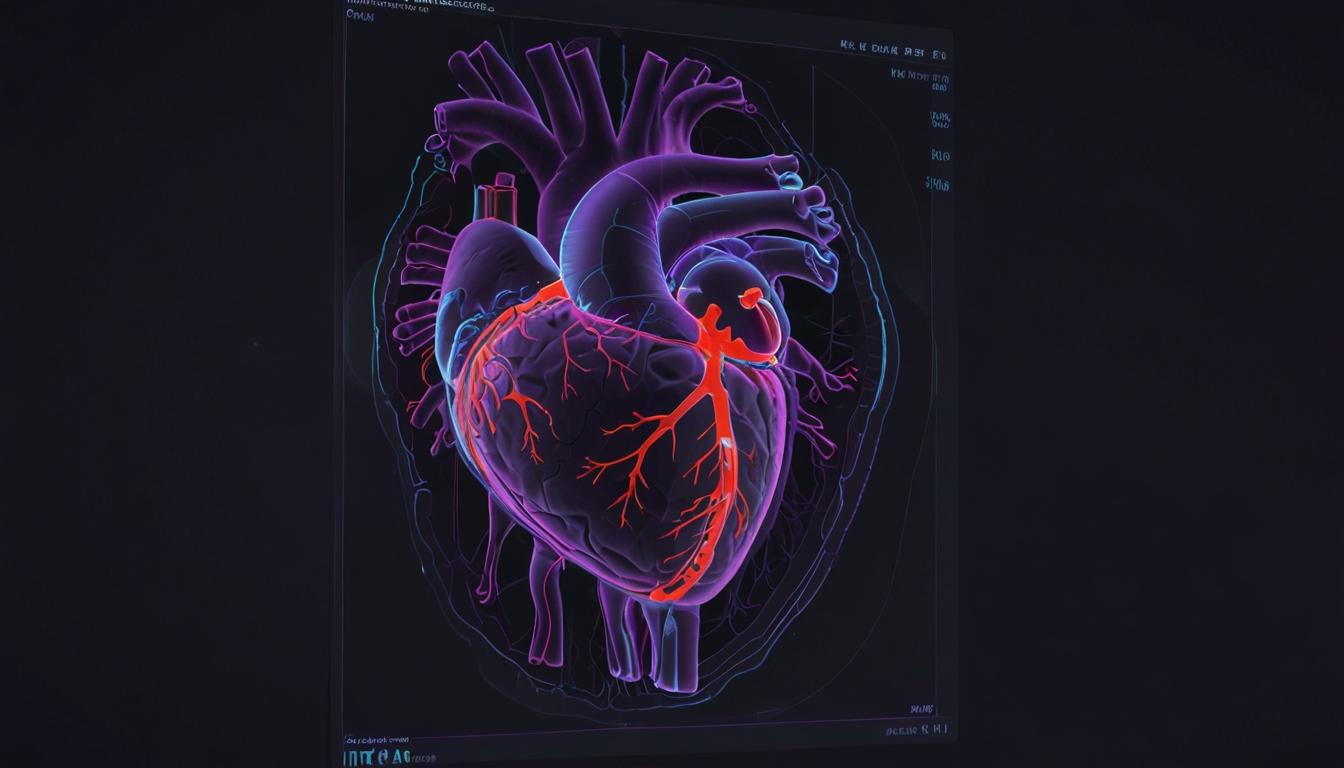


An AI system developed by Oxford University could revolutionise the detection of heart attack risks by identifying individuals up to ten years in advance. The system, currently under review by NICE, has shown promising results in trials across UK hospitals, potentially leading to more proactive and preventive treatments.
An artificial intelligence (AI) system developed by a team at Oxford University has the potential to identify individuals at risk of heart attacks up to ten years in advance. The technology is under review by the National Institute for Health and Care Excellence (NICE) for use within the National Health Service (NHS) and a decision is expected by the end of 2024. The AI system, which analyzes CT scan data, has shown promising results in trials across several UK hospitals, according to Professor Charalambos Antoniades, who leads the Oxford Risk Factors And Non Invasive Imaging (Orfan) study.
Each year in the UK, over 300,000 people undergoing CT scans for severe chest pains are often sent home reassured if no immediate abnormalities are found. Nevertheless, about two-thirds of these patients later suffer significant cardiac events. The AI system aims to detect hidden inflammation in coronary arteries that standard CT scans miss. This could allow for preventative treatments, significantly reducing the risk of future heart attacks.
The research, published in The Lancet and funded by the British Heart Foundation, found that in 45% of cases where AI provided additional data, clinicians altered their treatment approach, often prescribing higher doses of statins or anti-inflammatory drugs. The system is also being evaluated for use in predicting strokes and other conditions.