





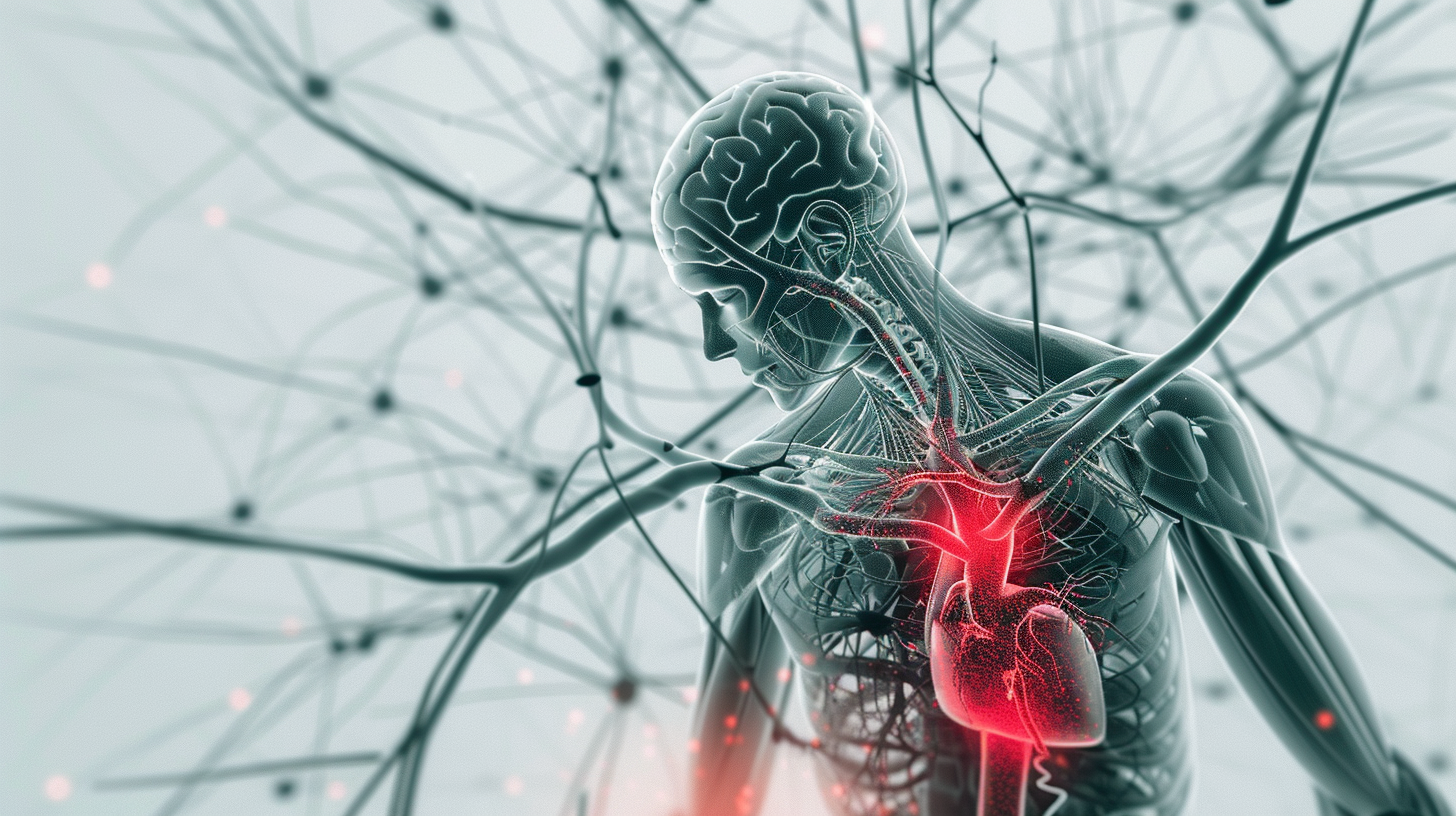


Researchers at the University of Oxford have developed an AI tool with the potential to predict heart attacks up to 10 years ahead, backed by the British Heart Foundation and currently undergoing trials in five NHS hospitals. The tool analyses data from cardiac CT scans to detect subtle signs that traditional scans may miss, leading to improved patient management and potentially reducing heart attacks and cardiac deaths.
A new artificial intelligence (AI) tool developed by researchers at the University of Oxford’s Radcliffe Department of Medicine has the potential to predict heart attacks up to 10 years in advance. This AI tool, which has been backed by the British Heart Foundation, is already being trialed in a pilot program across five NHS hospitals.
In a study led by Professor Charalambos Antoniades, data from over 40,000 patients who had undergone routine cardiac CT scans were analyzed. The AI tool was trained to detect changes in the fat around inflamed arteries, along with other clinical risk factors. It can identify small, undetectable narrowings in the arteries, a significant discovery as traditional scans often miss these subtle signs, leaving patients at risk of future heart attacks.
Testing on 3,393 patients over 7.7 years showed that the AI tool could accurately predict the risk of cardiac events. Its use led to a change in treatment plans for 45% of the 744 patients in the pilot study, suggesting it could guide better patient management.
Implementing this AI tool across the NHS could potentially reduce heart attacks by over 20% and cardiac deaths by 8%. Professor Antoniades and Professor Sir Nilesh Samani of the British Heart Foundation emphasized the value of this AI technology in saving lives and altering treatment plans, aiming for broader adoption within the NHS.